Molisha Script: A Graceful Typeface for Elegant Editorial Design
A Real Publishing Moment: Choosing the Right Font for a Lifestyle Blog Redesign
While redesigning a personal lifestyle blog focused on slow living and mindful creativity, the need for a typeface that conveyed warmth and intentionality became clear. The goal was to elevate the editorial tone without compromising readability. That’s when Molisha Script entered the picture—a script font that felt both expressive and refined, perfect for headers, pull quotes, and feature titles.
Visual Character: Elegance Meets Craftsmanship
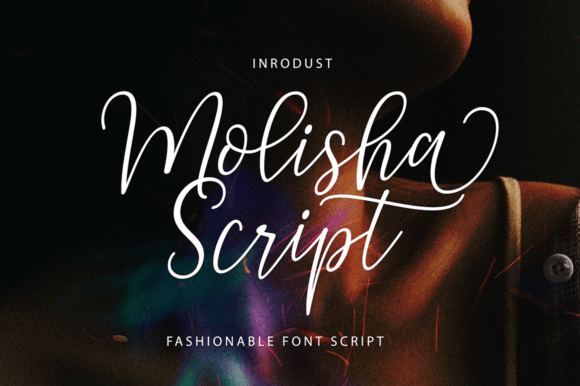
Molisha Script is a dazzling script font that balances flair with legibility. Its flowing strokes and soft curves suggest a hand-drawn quality, yet the design remains clean and intentional. It carries a modern elegance that avoids looking overly ornate or dated. The font’s rhythm feels natural, making it suitable for both digital and print formats. Whether used in a recipe ebook or a digital magazine layout, Molisha Script brings a sense of personality and editorial polish.
Its subtle variations in stroke weight add visual interest without distraction, and the ligatures and alternate characters provide flexibility for designers looking to add unique typographic touches. This attention to detail makes Molisha Script feel like a premium font choice, especially for display use in creative projects.
Practical Editorial Uses: From Headers to Chapter Openers
In practice, Molisha Script shines when used for titles, section headings, and decorative accents. It’s not ideal for body copy or small captions due to its stylized nature, but it excels as a cover font, newsletter header, or chapter opener in a coaching workbook or printable planner.
- Blog headers and article titles
- Digital magazine covers and feature openers
- Recipe ebook titles and pull quotes
- Wedding guides and event planners
- Course PDFs and creative course branding
For example, in a recent redesign of a wellness newsletter, Molisha Script was used for the header graphic and introductory quote. The font’s soft energy complemented the publication’s tone, enhancing reader engagement without overwhelming the layout.
Readability and Responsive Design Considerations
When working with Molisha Script across different formats—screen reading, mobile layouts, or print—it’s important to use it thoughtfully. On mobile devices, it works best at slightly larger sizes to maintain clarity. In PDF exports or print materials like wedding guides or coaching workbooks, the font retains its elegance and legibility when used for headings and decorative elements.
However, due to its script nature, it’s not recommended for long-form body text or dense paragraphs. The font’s expressive quality can become distracting in those contexts. Instead, it should be reserved for moments where visual impact and editorial mood are the priority.
Font Pairing for a Cohesive Publication Identity
One of the strengths of Molisha Script is how well it pairs with other typefaces to create a layered, intentional design. For editorial layouts, pairing it with a clean serif or sans serif font ensures a balanced visual hierarchy. For instance:
- Pair with a classic serif like Georgia or a modern serif like Crimson Pro for body text in a digital magazine.
- Use a minimalist sans serif like Lato or Open Sans for captions, navigation, and sidebars to maintain readability.
This kind of font pairing helps establish a strong publication identity. Molisha Script sets the tone with its elegant presence, while supporting fonts handle the functional aspects of the layout, ensuring consistency and clarity across content types.
What to Check Before Using Molisha Script in Your Project
Before incorporating Molisha Script into a blog, ebook, or client project, it’s important to verify the font’s included styles, file formats, and licensing terms. Confirm whether it includes multilingual support, alternate characters, and ligatures—especially if you’re designing for international audiences or using it in packaging design or social media graphics.
Commercial font licensing is crucial for digital product creators, newsletter writers, and independent publishers. Make sure the license allows use in templates, printables, paid newsletters, and client work to avoid legal issues down the line. Checking these details ensures that Molisha Script becomes a reliable part of your design toolkit.