Honey Moon Script: A Romantic Handwritten Font for Branding Projects
A Fresh Start with Honey Moon Script
It was one of those mornings where the brief felt just open enough to take a creative risk. I had a blank brand board in front of me and a client looking for a soft, feminine refresh for their new line of organic skincare products. I’ve used plenty of script fonts before—some elegant, some playful—but none quite like Honey Moon Script. I dropped it into the logo concept draft almost on instinct, and something clicked right away.
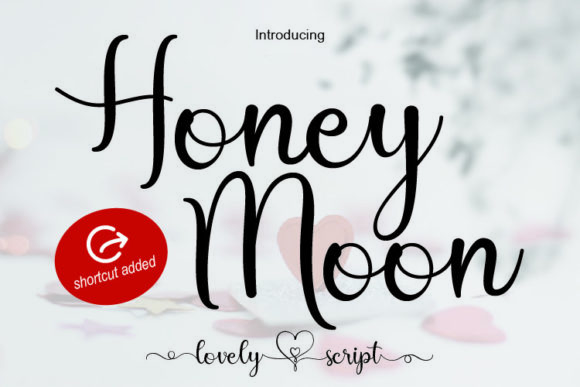
Honey Moon Script is a romantic, light handwritten font with a distinctive swash that gives it a gentle elegance. It’s not overly dramatic like some script fonts can be, but it still carries enough personality to stand out. The PUA encoding made accessing alternate characters and ligatures a breeze, which helped me fine-tune the logo to feel both personal and professional.
Logo Design and Brand Identity
For the skincare brand, I tested Honey Moon Script as the primary logo typeface. I was curious how it would perform in a modern, minimal brand system. The swash on certain letters adds a subtle flourish without veering into calligraphy territory. It read well at medium sizes on the brand board and translated nicely into a digital mockup of the website header.
Still, I compared it with a few other script fonts—some bolder, some more minimalist. Honey Moon Script landed in a sweet spot: not too delicate, not too stylized. It brought a sense of warmth and approachability to the brand identity, which was exactly what the client wanted. That said, I wouldn’t recommend it for a corporate or highly formal brand system. It’s better suited for boutique brands, artisan shops, or lifestyle-focused businesses.
Packaging and Print Design
When I moved into packaging mockups, I placed Honey Moon Script on a minimalist label for a line of facial oils. It looked lovely on the front panel, especially when paired with a clean sans serif for the product details. The font’s light weight gave the packaging a soft, natural feel—perfect for a wellness-focused product. However, I noticed that at smaller sizes, the swash and fine strokes began to lose clarity, especially on lower-resolution printouts.
I wouldn’t use Honey Moon Script for long body copy or small ingredient lists. It’s best reserved as a headline or accent font. For packaging, I’d recommend using it for product names or taglines, and pairing it with a more legible sans serif or serif font for supporting text.
Web and Social Media Use
On the brand’s website mockup, I applied Honey Moon Script to the hero section header. It looked beautiful on screen, especially when styled with a light color palette and organic textures. The PUA encoding made it easy to customize certain letters for a more personalized feel. I also tested it in a few social media templates—Instagram stories, Pinterest pins, and Facebook headers—and it added a consistent, elegant tone across platforms.
One thing to note: if you're using this font on the web, make sure to check webfont compatibility and performance. Some handwritten fonts can be heavy or render inconsistently across devices. Honey Moon Script performed well in testing, but I always recommend previewing it in a live context before final deployment.
Font Pairing and Practical Use
Pairing Honey Moon Script with other fonts was surprisingly intuitive. I used it with a modern sans serif for contrast and clarity, and occasionally with a lighter serif for a more romantic, editorial feel. It works best when given visual space—don’t crowd it with too many other decorative elements.
If you're designing a brand system, consider using Honey Moon Script only for headlines, logo marks, or short phrases. It shines in applications like business cards, social media headers, posters, and product packaging. It’s not ideal for long-form content or formal reports, where readability and consistency matter more.
Also, check the included file formats and licensing before using Honey Moon Script in commercial work. Most premium fonts come with clear licensing terms, but it’s always good practice to confirm whether it can be used for web, print, merchandise, or digital products—especially if you're designing for a client or selling templates.
Final Notes on Honey Moon Script
Overall, Honey Moon Script is a lovely addition to any designer’s toolkit, especially when working on boutique branding, artisan packaging, or soft lifestyle visuals. It brings a personal touch without feeling outdated or overly whimsical. I’ve tested it across multiple design formats—logo, brand board, packaging, web, and social media—and it held up well in most contexts.
Just remember to test it in your specific use case before finalizing. Every font has its strengths, and Honey Moon Script excels in projects that benefit from a romantic, handwritten aesthetic. Use it where it shines brightest, pair it thoughtfully, and always double-check licensing and technical specs before delivery.