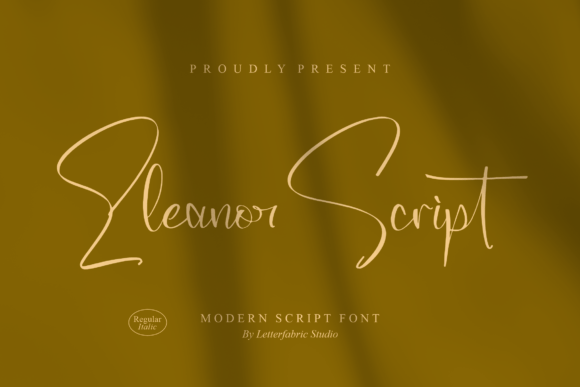
Eleanor Script: A Handwritten Font That Elevates Digital Design
As a web designer always on the lookout for unique typefaces that bring personality without sacrificing usability, I recently tested Eleanor Script on a boutique coaching website redesign. At first glance, this elegant handwritten font caught my eye with its soft curves, natural flow, and expressive character. It’s not just another decorative script—it’s a digital design asset that balances charm with readability when used thoughtfully.
Bringing Brand Personality to Web Layouts
I introduced Eleanor Script in the hero section of a wellness coaching site, where the font was used for the headline overlaying a soft-focus background image. The result? Instant warmth and approachability. The font’s organic stroke variations and gentle bounce gave the brand a human, relatable feel—perfect for a service rooted in personal growth and connection.
What stood out was how Eleanor Script maintained its legibility even when scaled down for mobile headers. While it’s clearly a display font, its open spacing and clear letterforms helped it perform well in key branding moments like logo text, service highlights, and testimonial pull quotes.
Best Use Cases for Eleanor Script in Web Design
From my testing across multiple layouts, here are the digital applications where Eleanor Script truly shines:
- Hero section headlines – Adds visual interest and emotional tone
- Call-to-action buttons – Especially effective for boutique brands or creative services
- Testimonial quotes – Gives a personal, handwritten touch
- Brand taglines – Works beautifully in headers or footer branding
- Logo variations – Great for brands needing a softer typographic identity
It’s important to note that Eleanor Script is best reserved for short, impactful text rather than long-form content. I found it less effective for body copy or navigation menus, where clarity and speed-reading matter most.
Responsive Design and Readability Considerations
One of the biggest concerns when using decorative fonts online is how they perform across devices. I tested Eleanor Script at various breakpoints and found it held up well in headings down to 24px on mobile. However, any smaller and the ligatures and swashes began to blur together, especially on lower-resolution screens.
When using the font over images or dark backgrounds, I adjusted letter spacing slightly and added a subtle text shadow to ensure contrast and readability. These small tweaks made a noticeable difference in maintaining legibility without compromising the font’s character.
Font Pairing for Balanced Web Typography
To create visual harmony and functional hierarchy, I paired Eleanor Script with a clean sans serif font for body text and UI elements. Using a modern sans like Lato or Open Sans helped ground the design and provided a nice contrast to the script’s fluidity.
For a more editorial-style layout, I also tested Eleanor Script with a light serif font for subheadings. The combination worked well for a blog redesign project, where the brand wanted a feminine, curated aesthetic without losing professionalism.
Designers should also explore the font’s built-in alternates and ligatures to customize key brand phrases. These features add polish and uniqueness to digital assets like landing page headlines, social media graphics, and branded web banners.
Technical Considerations for Web Use
Before implementing Eleanor Script into a live site, I reviewed the font files and found support for common web formats including WOFF, WOFF2, and TTF. The font package also included stylistic alternates and basic multilingual support—important for designers working with international clients or translating content.
From a performance standpoint, Eleanor Script loaded quickly and rendered consistently across browsers. As with any custom font, I used font-display swaps to prevent invisible text during load and optimized the CSS to only load the weights and characters needed for the project.
For commercial use, I verified the licensing allowed for deployment on client websites and digital templates. This is especially important for web designers who resell or license their work, ensuring fonts are legally embedded in deliverables.